Product Range
The mini UPS range, organised by family
Every unit in this range does the same job — feed a DC-powered device from a battery when the mains fails — but the right model depends on the load's voltage, its current draw and how long the backup has to last. The seven families below split the range by output type and capacity class. Start with the family that matches the device, then compare models on the family page.
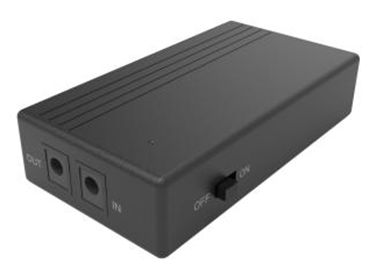
How to read the range
Port voltage comes first: a 12V router cannot run from a 5V port, and a PoE camera needs 24V or 48V delivered on the network cable. Current comes second — the port rating must meet or exceed the device's rated draw. Capacity comes last: at a given load, milliamp-hours translate directly into backup hours, which is why the high-capacity family exists alongside the compact models.
Each family page lists its models with headline ratings; the specification — input, every output port with its voltage and current, capacity tiers, dimensions and weight — sits on each model's own page, so a shortlist can be built without asking for a datasheet first.
Everyday backup, organised by family
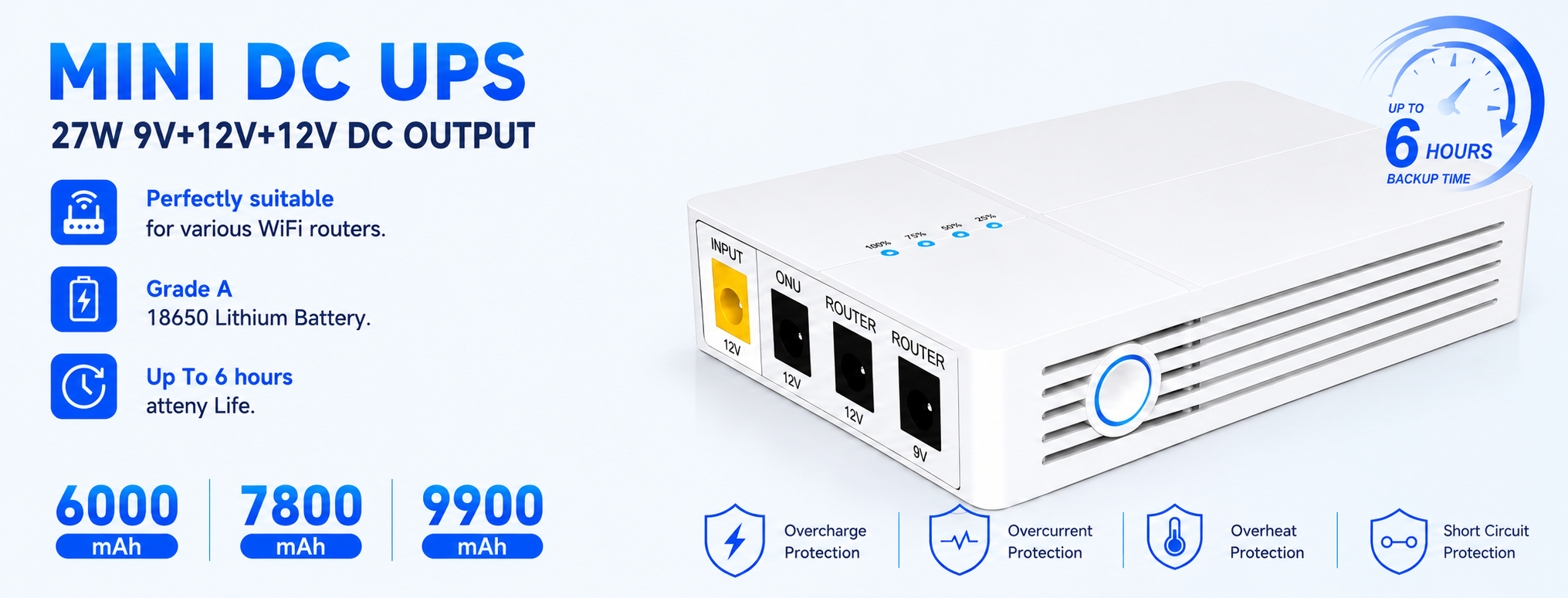
Multi-output mini UPS
9V + 12V DC ports and USB in one unit for router, modem and camera combinations.
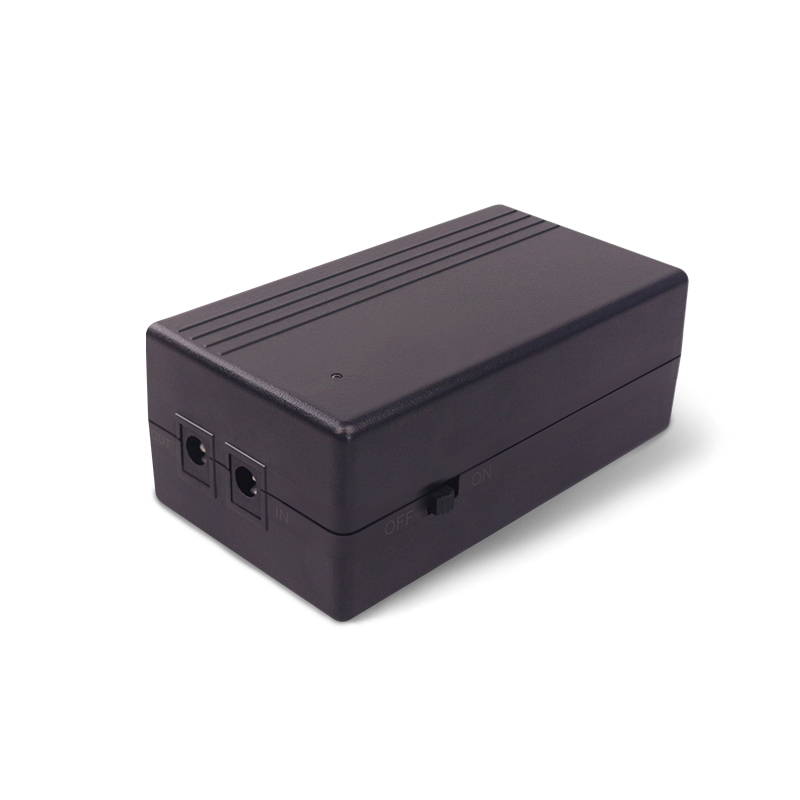
12V 2A mini UPS
Single and dual-output 12V 2A workhorses for routers and CPE.
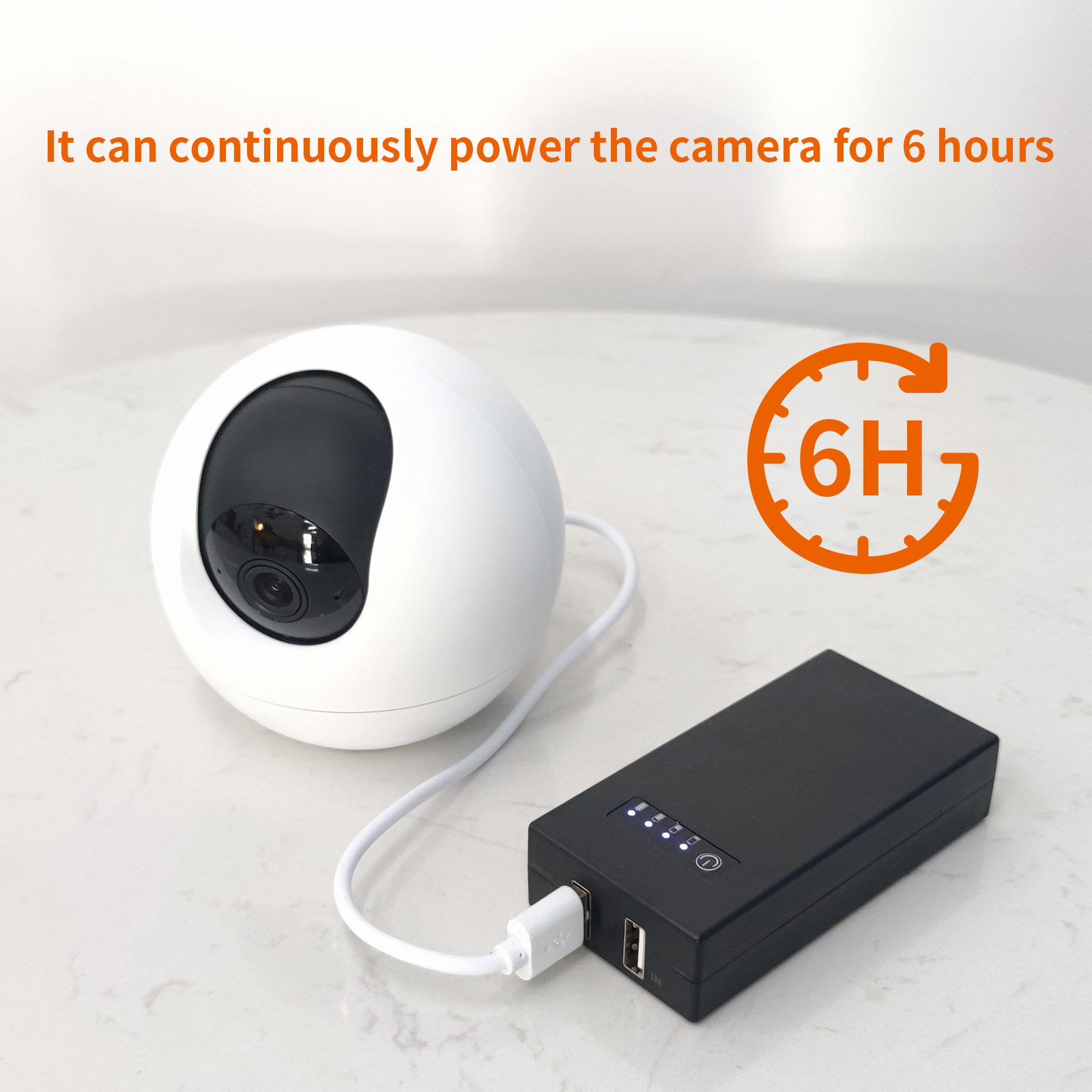
5V USB mini UPS
Pocket 5V 2A backup sized for a single security camera.
PoE, cameras and long-life cells in one index
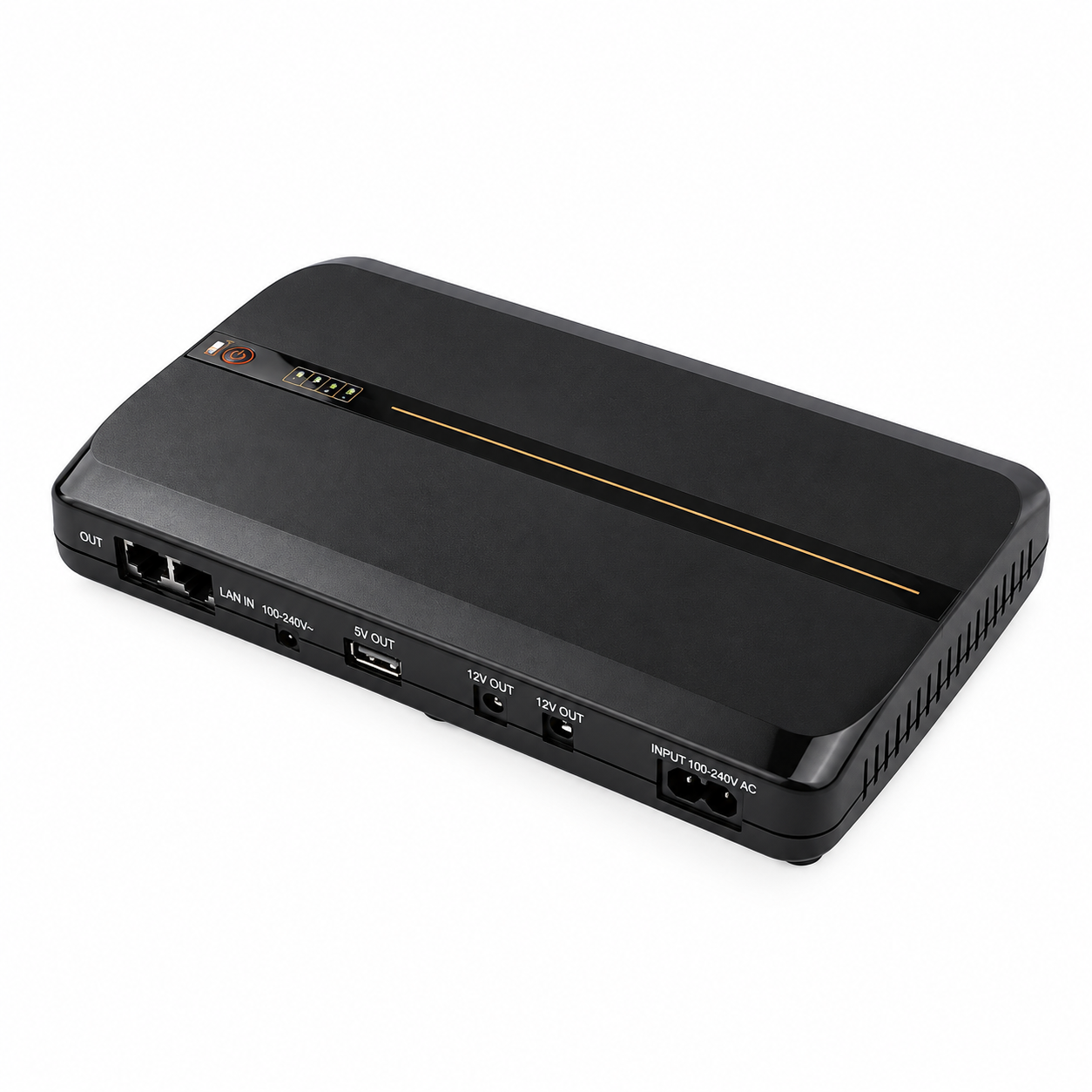
PoE mini UPS
24V/48V PoE plus DC and USB outputs for cameras and CPE.
LiFePO4 mini UPS
Lithium iron phosphate models for long cycle life in a compact case.
Heavy and always-on loads, indexed
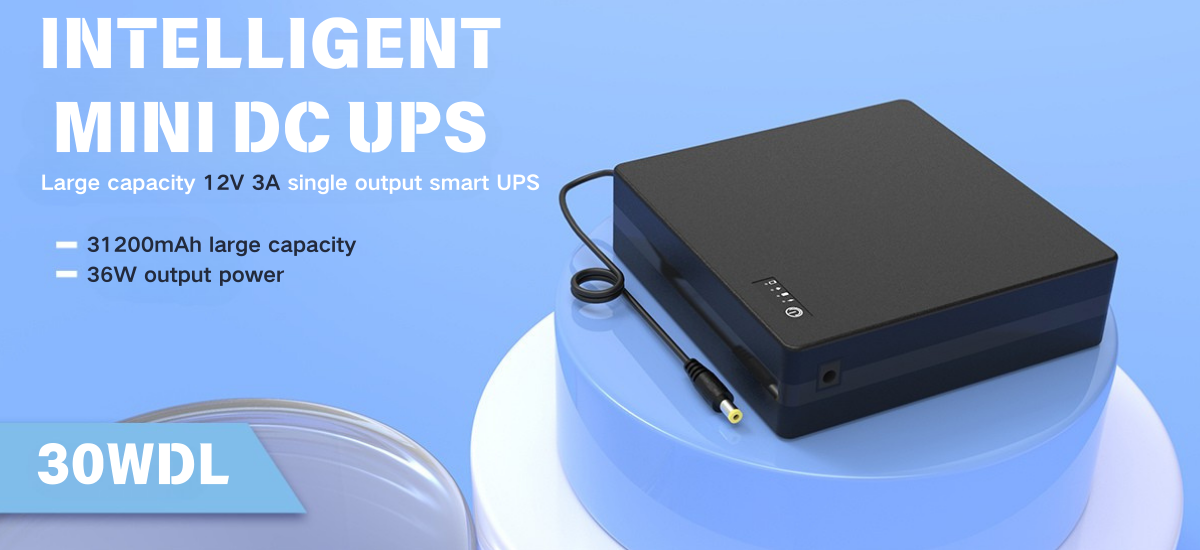
High-capacity mini UPS
Single-output 12V models up to 31,200 mAh for long runtimes.
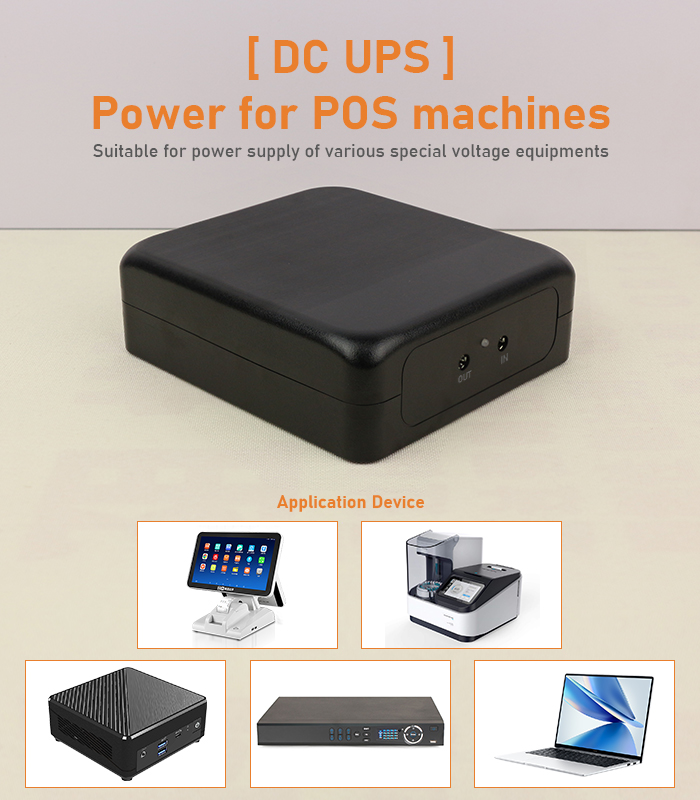
Online mini UPS
Online double-conversion style backup up to 72W for POS and DVR loads.
Related pages
Ask for a quotation
Tell us the model, the output voltages your equipment needs and the quantity band for your order. If you are matching a UPS to a router, camera or terminal, add the device's rated voltage and current.