Mini UPS · Family
Multi-output mini UPS
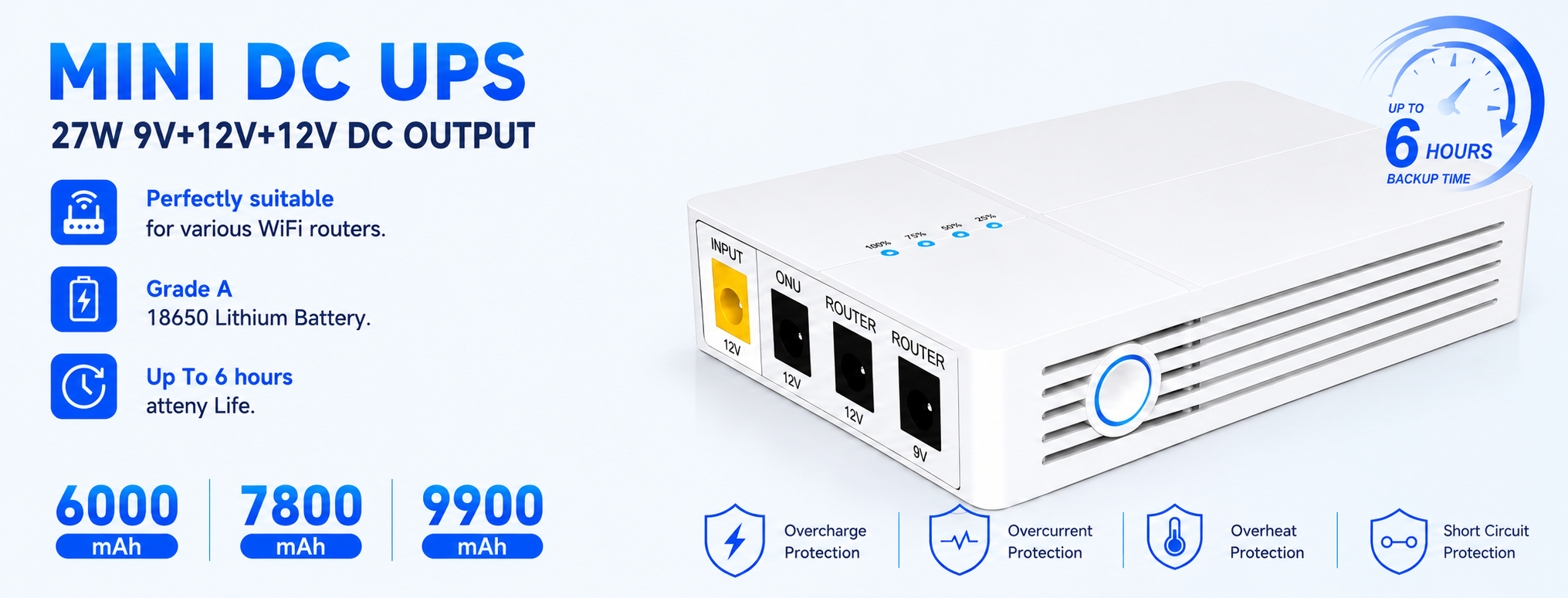
A router and its modem rarely share a voltage: one wants 12V, the other 9V, and both go down together when the power fails. Multi-output models solve the pair with one battery — two or three DC ports at different voltages, plus USB on several models, all backed by the same internal pack. Six Optima models cover capacities from 6,000 to 20,000 mAh and outputs up to 27W.
Choosing inside the family
The Optima 301 is the compact reference: three DC ports and three capacity tiers behind the same port layout. The Optima A1 adds a USB output and a fourth cell for 10,400 mAh. Buyers who need fast charging look at the QC 3.0 model (302), anyone feeding more devices looks at the six-output Optima 203, and the Optima B1 is the pick when the input side has to be USB-C rather than a DC barrel.
How the family divides its work
Six models share this family's format, and they divide by two questions: how many devices, and how much time. The 301 and A1 cover the standard network pair at two capacity points; the 302 steps the capacity up for pairs that outlast them; the 203 widens the net to six outputs for whole shelves; the C1 takes the format to its largest capacities; and the B1 answers the different question of how the unit itself is fed. A buyer who can state their device count and their outage length is never more than one step from the right model.
Port plans before capacity plans
The family's most common ordering error is choosing capacity before ports: a generous battery whose rails do not match the devices helps no one. The ordering discipline never changes: device list first, with voltages; port plan second; capacity third. It costs one label-reading pass per installation, and it converts the inquiry from a negotiation about model names into an arithmetic exercise with a checkable answer.
Mixed fleets and spares
Because the family's formats are shared, a fleet can standardise its habits while varying its models: one commissioning routine, one style of port plan, one spares logic across tiers. Sites graduate between models as their device shelves grow, and the technician's knowledge graduates with them. Fleet buyers should state the fleet's shape in the inquiry — how many sites, of which sizes — because the quotation can then be structured as a fleet answer rather than as disconnected unit prices.
Optima 301
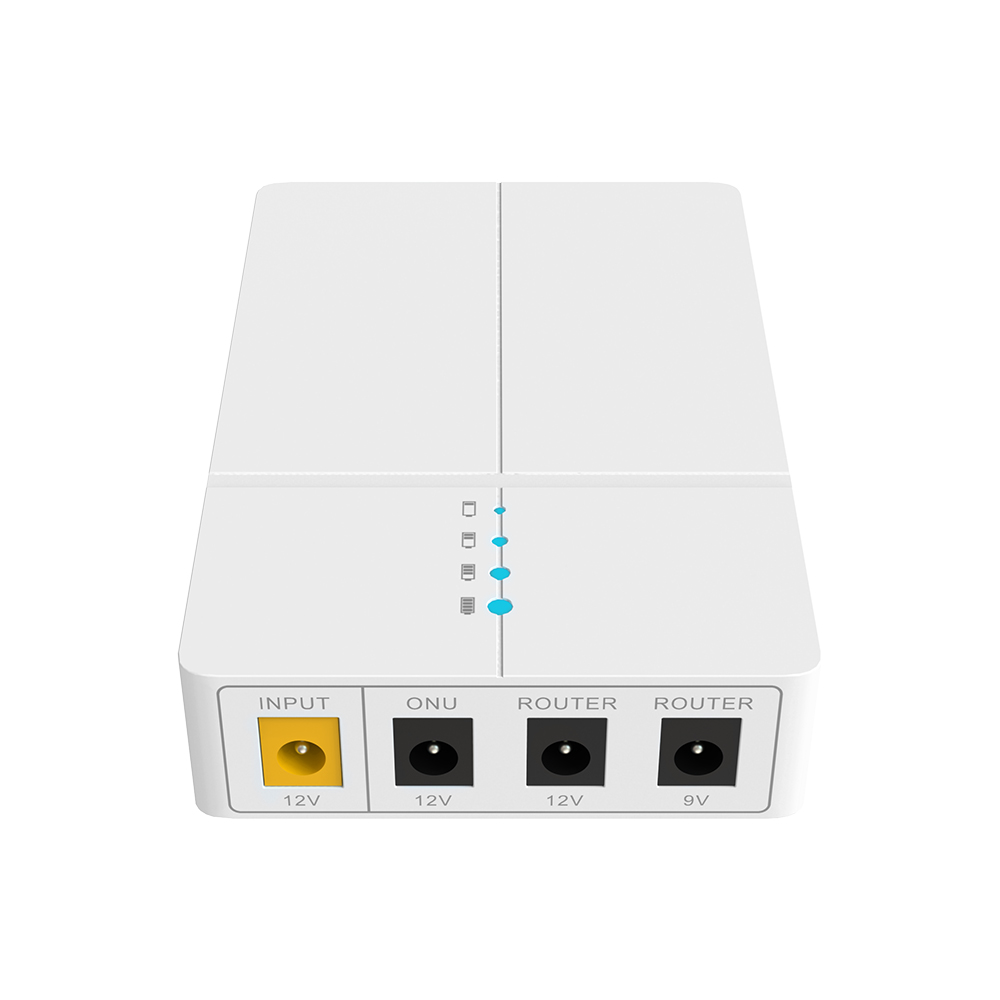
Three DC outputs — 12V 2A, 12V 2A and 9V 1A — at up to 27W, with 6,000, 7,800 or 9,900 mAh capacity tiers.
Optima A1 — 10,400 mAh
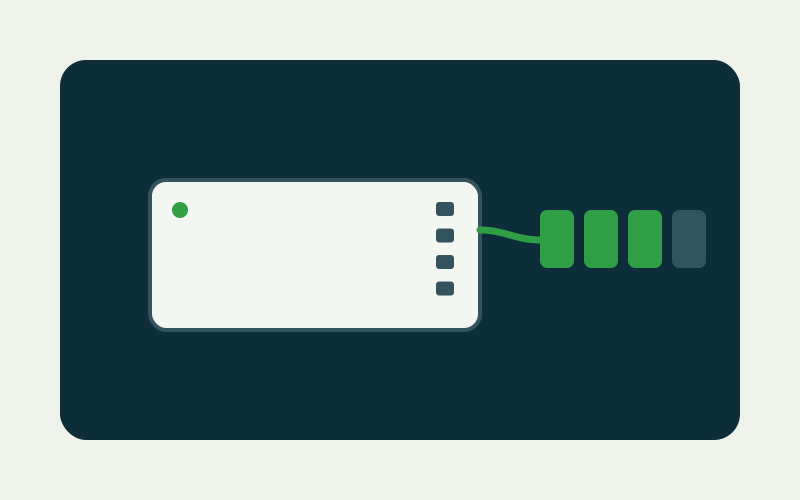
USB 5V plus 9V and 12V DC outputs in two port layouts, 24W maximum, 10,400 mAh.
Optima 302 — QC 3.0
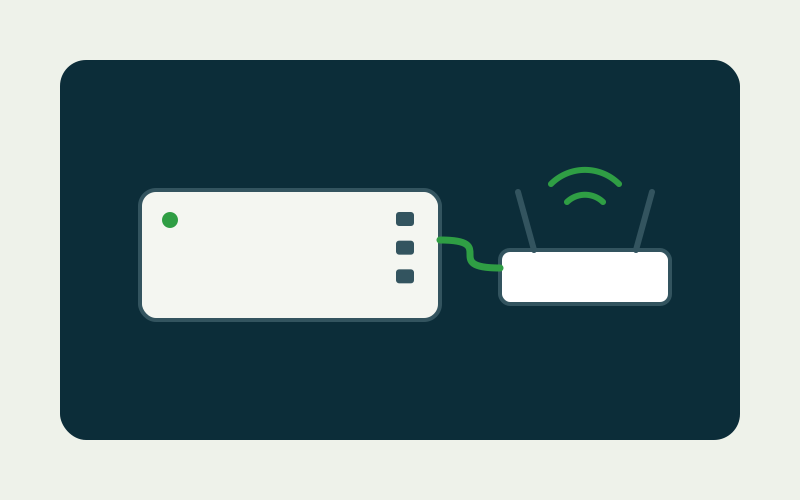
A 13,500 mAh multi-output model with QC 3.0 fast-charge output and 24W maximum power.
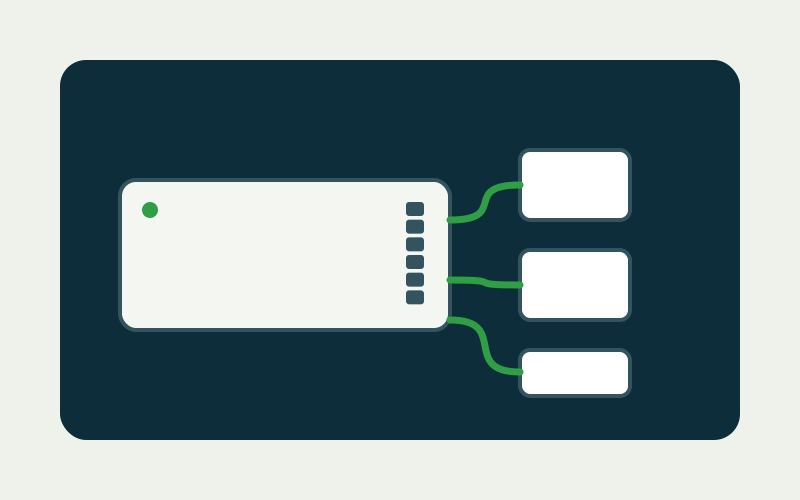
Optima 203 — six outputs
Six outputs spanning USB 5V and DC 5V, 9V, 12V and 19V, 13,500 mAh.

Optima C1 — 20,000 mAh
The high-capacity multi-output option: 27W with 16,000 or 20,000 mAh.
Optima B1 — Type-C input
A 10,400 mAh multi-output model charged through USB-C instead of a DC input barrel.
Related pages
Ask for a quotation
Tell us the model, the output voltages your equipment needs and the quantity band for your order. If you are matching a UPS to a router, camera or terminal, add the device's rated voltage and current.