Model · 12V 2A
Optima 1202G — 12V 2A mini UPS
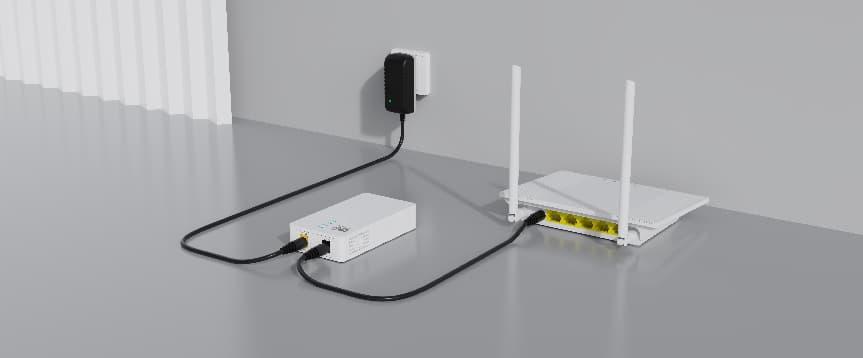
The Optima 1202G is the 1202-series representative in the current range: a 12V 2A mini UPS on an 18650 lithium-ion pack — the standard configuration around which router-backup programs are usually built.
Specifications — Optima 1202G
| Model | Optima 1202G (1202 series) |
|---|---|
| Battery type | 18650 lithium-ion |
| Output | DC 12V 2A |
| Typical loads | WiFi routers · modems · CPE |
The program model
Volume router-backup programs want the least surprising unit in the catalogue: a fixed 12V 2A output, a standard cell format, and a configuration that does not change between orders. The 1202G is that unit in this range — the model behind the standard router-backup bundles that ISPs, installers and resellers build.
Ordering notes — Optima 1202G
Single-output orders live or die on one line of print: the load's adapter rating against this unit's 12V 2A. Send that line with the inquiry. Loads that later grow a second device are the usual reason buyers step up to the multi-output Optima 301 instead, and saying so early costs nothing — the two models sit in the same family.
Why programs standardise on the 1202G
Volume programs — an ISP's home-network bundle, an installer's standard fit, a reseller's router-backup offer — optimise for a different virtue from the rest of this catalogue: predictability. The 1202G's proposition is a fixed 12V 2A output on a standard 18650 lithium-ion pack, in the 1202 series' established configuration, order after order. Nothing about the unit asks the program to re-decide anything per site: the installer learns one unit, the support script describes one unit, the spares shelf holds one unit. For a program shipping hundreds of installations, that sameness is worth more than any single specification on the page.
The same logic governs the inquiry. A program inquiry should state the program's shape — the bundle the unit ships in, the device class it backs up, the volume rhythm — rather than a single site's device list. The reply can then address the program's actual risks: configuration drift between orders, packaging and labelling for the channel, and the spares ratio the failure statistics of a large fleet make prudent.
The step-up path from the 1202G
Programs meet their exception sites honestly: the home whose shelf grew a second device, the small office misfiled as a home. The catalogue's answer is the multi-output family — the 301 is the usual step — and programs should price the exception path in advance rather than improvising it per complaint. Stating the expected exception rate in the inquiry (most programs find it is a small, stable percentage) lets the reply quote both lines as one program, with the 1202G as its standard and the multi-output unit as its documented exception.
Support scripts and the channel
A program's hidden asset is its support script: the one page that tells a call-centre agent or a field installer exactly what the standard unit does, what its indicators mean, and what to check before escalating. A fixed-configuration model like the 1202G makes that page writable — one unit, one behaviour, no per-site variations to caveat. Programs should draft the page at launch, from the model's specification, and keep it versioned with the orders; when a program's support page and its shipped unit ever disagree, it is the disagreement — not either document — that generates the support calls. Stating the channel's support model in the inquiry lets the reply align packaging and documentation with it from the first order.
Related pages
Ask for a quotation
Tell us the model, the output voltages your equipment needs and the quantity band for your order. If you are matching a UPS to a router, camera or terminal, add the device's rated voltage and current.