Model · PoE
Ethrx P2 — PoE mini UPS
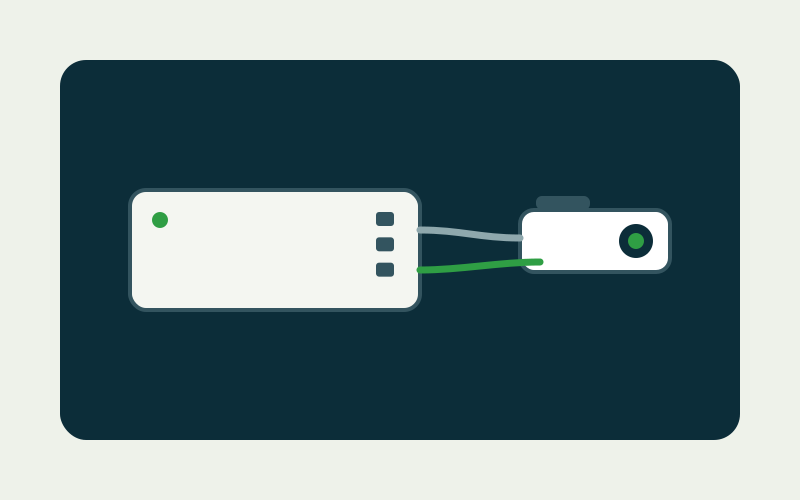
The Ethrx P2 is a PoE battery backup in the Ethrx line, built for the standard job of the family: feed an IP camera or wireless CPE device over its Ethernet cable from a battery at the near end. The output set for an order is confirmed in the inquiry, against the buyer's device list.
Specifications — Ethrx P2
| Model | Ethrx P2 |
|---|---|
| Family | Ethrx PoE mini UPS |
| Typical loads | IP cameras · wireless CPE |
Sizing a P2 deployment
The P2 follows the family checklist: camera PoE voltage and wattage first, then the DC loads, then the outage length the battery has to cover. Buyers standardising a camera estate often pair the P2-class units at the camera clusters with a P1 at the cabinet. Send the device list with the inquiry and the configuration can be confirmed model by model.
Ordering notes
Send the camera model with the inquiry. The one fact that decides this unit's fit is the camera's PoE class — 24V passive or 48V standard — and the port-count question of whether the NVR shares the cabinet. With those two answers, the reply can confirm the configuration outright or redirect to the sibling model that matches, instead of opening a long exchange.
Outdoor estates and the near-end battery
The P2 is a further model in the PoE family, quoted per estate against the device list. Outdoor estates show the shape of the problem it is quoted against: the powered device — a wireless CPE radio, a camera — sits far from any socket, the cable run is the only road in, and a battery at the device would need weatherproofing and a ladder to service. A PoE UPS at the near end, feeding power down the same cable, answers it from the warm side of the wall. Which PoE voltage an order carries is settled in the inquiry, against the device list.
That placement keeps the battery indoors at cabinet temperature; lithium cells generally age faster in sustained heat and lose usable capacity in the cold. Outdoor batteries age in heat and cold that indoor cells never see. Estates that have tried per-device outdoor batteries and watched them fade usually arrive at the P2's architecture by experience; the inquiry that mentions the estate's shape gets the architecture confirmed rather than re-argued.
Sizing a P2 installation
The sizing facts are the load's rated draw and the site's outage profile. A single CPE radio is a light, steady load; a radio plus near-end network gear draws more and may argue for the family's larger cabinet models. State both the far-end device and everything at the near end that shares the unit — near-end loads are the ones most often forgotten, and they draw from the same battery. Where several sites share one estate shape, the same two facts per site keep the quotations comparable from site to site.
Field practice for mast and pole installs
Outdoor runs reward two habits. First, keep the UPS and its connections indoors or in the cabinet wherever the architecture allows — every connector that lives outside is a corrosion appointment. Second, label the run at the near end with the device it feeds and the voltage it carries; passive estates accumulate undocumented runs over years, and the label is the difference between a five-minute fault-find and a ladder tour of the whole estate. Neither habit costs anything but the decision to start.
Related pages
Ask for a quotation
Tell us the model, the output voltages your equipment needs and the quantity band for your order. If you are matching a UPS to a router, camera or terminal, add the device's rated voltage and current.