Model · PoE
Ethrx P5 — 30W PoE mini UPS
The Ethrx P5 brings the PoE line down to a 30W power class: the same idea as the 36W models — a PoE feed on one battery — sized for a single camera or CPE device and its near-end network gear.
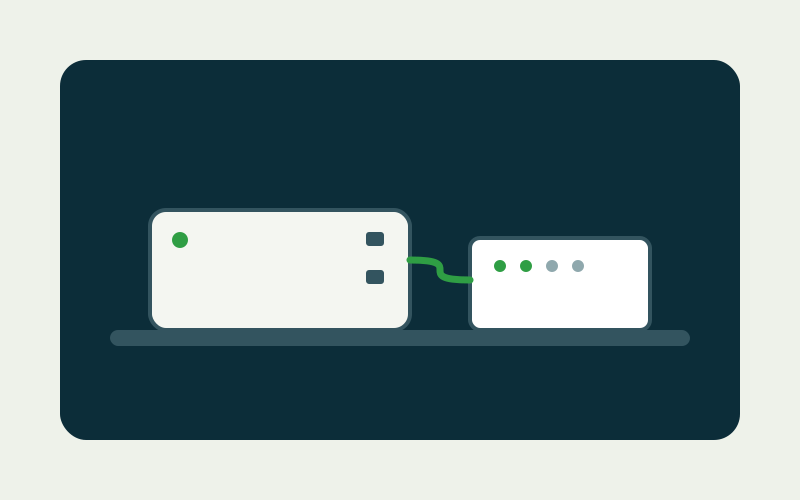
Specifications — Ethrx P5
| Model | Ethrx P5 |
|---|---|
| Family | Ethrx PoE mini UPS |
| Output power (max.) | 30W |
The right size for one camera run
Not every camera run justifies the 36W class. A single fixed camera with a modest draw, plus a router, sits comfortably inside 30W, and the P5 keeps the deployment on the same Ethrx sizing and inquiry checklist as the rest of the line. List the camera's PoE voltage and the near-end loads in the inquiry to confirm the configuration.
Ordering notes
This is the model to ask about when the installation is one camera and one small device, and the budget line matters. Send both loads' ratings with the inquiry; if the second load is heavier than the compact case suggests, the reply will say so and point at the P1 rather than let an undersized unit into a cabinet it cannot hold.
Where the 30W class fits
The P5's 30 W class sits one step below the P1's 36 W, and the step is deliberate: a single camera run with its near-end gear rarely draws the full cabinet budget, and paying for unneeded watts buys nothing but a larger battery to maintain. The sizing discipline is to census the actual loads — the camera's rated draw, the router's, the recorder's if it shares the unit — and let the total choose the class. Estates whose per-cabinet totals cluster under the 30 W line standardise on this class and hold the larger model for the few cabinets that exceed it.
Runtime follows the same census: hours are stored energy divided by load, so the comparison that matters is the site's own load against the class's stored energy. Buyers comparing models on capacity alone miss this, which is why the inquiry asks for the load list before it quotes a runtime.
Specifying the P5
The inquiry for this model should carry the PoE voltage of the devices it will feed, the load census, and the outage profile — the family's standard three. One P5-specific note: where a cabinet is expected to grow (a second camera planned, an access point to be added), declare the growth. Headroom decisions are cheap at order time and expensive at retrofit, and the reply can place the order on the right side of the 30 W line with the growth included in the arithmetic. The same census decides the spare: a unit held for the cabinet should be the class the census chose, not the class that happened to be on the shelf.
Headroom as a deliberate purchase
The remaining judgement on this class is how much headroom to buy against the estate's growth. A cabinet at the top of the 30 W class today, with a second camera already budgeted, is really a next-class cabinet photographed early; a cabinet at half the class with a frozen device list will die of old age inside it. The difference is not in the hardware but in the buyer's knowledge of their own plans — which is why the inquiry asks about planned additions in so many words, and why answering it honestly is worth real money in both directions.
Related pages
Ask for a quotation
Tell us the model, the output voltages your equipment needs and the quantity band for your order. If you are matching a UPS to a router, camera or terminal, add the device's rated voltage and current.